
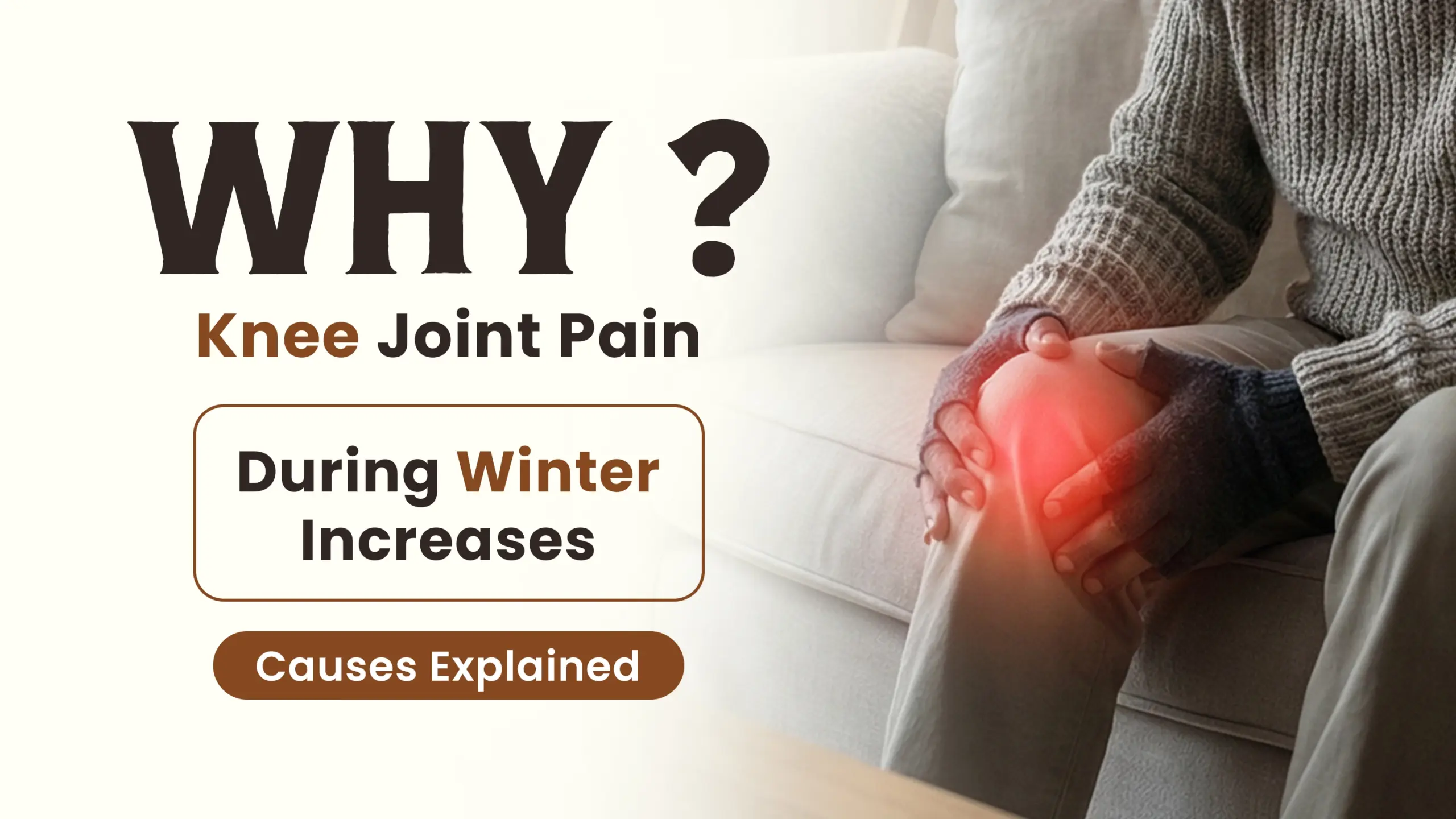
Many people notice that knee joint pain during winter becomes more intense compared to other seasons. Cold weather affects joints in multiple ways, especially for those with weak joints, previous injuries, or inactive lifestyles. Understanding the reasons behind knee joint pain during winter helps in managing discomfort more effectively.
How Cold Weather Affects Your Knee Joints
Drop in Temperature and Joint Stiffness
During winter, lower temperatures cause muscles and connective tissues around the knee to tighten. This reduced flexibility leads to stiffness, making knee joint pain during winter more noticeable, especially in the morning or after rest.
Reduced Blood Circulation
Cold weather slows down blood flow to the joints. Poor circulation reduces oxygen and nutrient supply, which can increase discomfort and make knee joint pain during winter feel sharper.
Lifestyle Factors That Worsen Knee Joint Pain During Winter Session
Less Physical Activity
People tend to move less during winter, leading to joint stiffness. Reduced movement weakens muscles that support the knee, increasing the chances of knee joint pain during winter.
Weight Gain and Joint Pressure
Winter diets and reduced activity often lead to weight gain. Extra body weight increases pressure on knee joints, which can worsen joint pain during winter over time.
Impact of Aging and Joint Health
Natural Wear and Tear of Joints
As joints age, lubrication between bones decreases. Cold temperatures further reduce joint fluid movement, making knee joint pain during winter more common in middle-aged and older individuals.
Previous Knee Injuries
Old injuries tend to become more sensitive in cold weather. Scar tissues and weakened areas react strongly to temperature changes, contributing to knee joint pain during winter.
Natural Ways to Manage Knee Joint Pain During Winter
Stay Active and Warm
Light exercises, stretching, and keeping knees warm improve circulation and reduce stiffness. Movement is essential for managing joint pain during winter.
Balanced Diet and Hydration
Nutrients like calcium, protein, and vitamin D support joint health. Proper hydration also helps maintain joint lubrication during winter months.
How Fauji360 Supports Joint Comfort in Winter
For individuals looking for natural support, Fauji360 can be included as part of a daily wellness routine. It is formulated with Ayurvedic ingredients such as Ashwagandha, Guggulu, and Nirgundi, which traditionally support joint flexibility, comfort, and mobility. When combined with movement, warmth, and lifestyle care, such support may help manage joint pain during winter more effectively.
FAQs
Why does knee joint pain increase in winter?
Cold temperatures cause muscle stiffness, reduced circulation, and joint tightness, which can increase knee joint pain during winter.
Does cold weather directly cause knee pain?
Cold weather does not cause knee pain directly, but it can worsen existing joint conditions and make pain more noticeable.
How can I reduce knee joint pain during winter naturally?
Regular movement, keeping knees warm, maintaining a healthy weight, and using natural joint support can help reduce knee joint pain during winter.
Is knee joint pain during winter permanent?
In most cases, winter-related knee pain is temporary and improves with proper care, activity, and lifestyle adjustments.
Can Ayurvedic support help with joint pain during winter?
Ayurvedic support focuses on flexibility, circulation, and joint comfort, which can be helpful during colder months.
Conclusion
joint pain during winter increases due to cold temperatures, reduced activity, poor circulation, and existing joint weakness. By staying active, maintaining warmth, following a joint-friendly diet, and using natural support like Fauji360, winter discomfort can be managed more effectively and safely.
Disclaimer
This content is for informational purposes only and does not substitute medical advice. Please consult a qualified healthcare professional before starting any supplement or treatment.